


How to design the wooden parts of an aluminum frame glass wooden bathroom to match the overall style of the space?
Release Time : 2026-01-22
In an aluminum-framed glass-and-wood bathroom, the design of the wooden elements requires a multi-dimensional strategy, encompassing material characteristics, color matching, design language, detail processing, and spatial interaction. This strategy aims to organically integrate the modernity of the aluminum frame and the transparency of the glass, creating a unified yet layered overall spatial style. This process must balance functional needs with aesthetic expression, making the wooden element a bridge connecting practicality and artistry.
The choice of material characteristics forms the foundation of the style. The texture, color, and feel of natural wood are the core carriers of spatial warmth. For example, light-colored oak or ash wood, with its fine straight grain and soft tones, is suitable for creating a fresh atmosphere in Scandinavian or Japanese minimalist styles; while the deep texture and calm temperament of dark walnut or teak are more suited to the heaviness of industrial or retro American styles. For a natural, rustic feel, choose wood with knots and color variations, enhancing the original texture by retaining natural imperfections; for a more refined look, choose boards with uniform grain and soften the abruptness of the wood grain through a lacquer finish. In addition, the hardness and water resistance of the wood must also be considered. The high humidity environment of an aluminum frame glass wooden bathroom necessitates prioritizing stable hardwoods or moisture-resistant composite woods to ensure long-term stability and prevent warping.
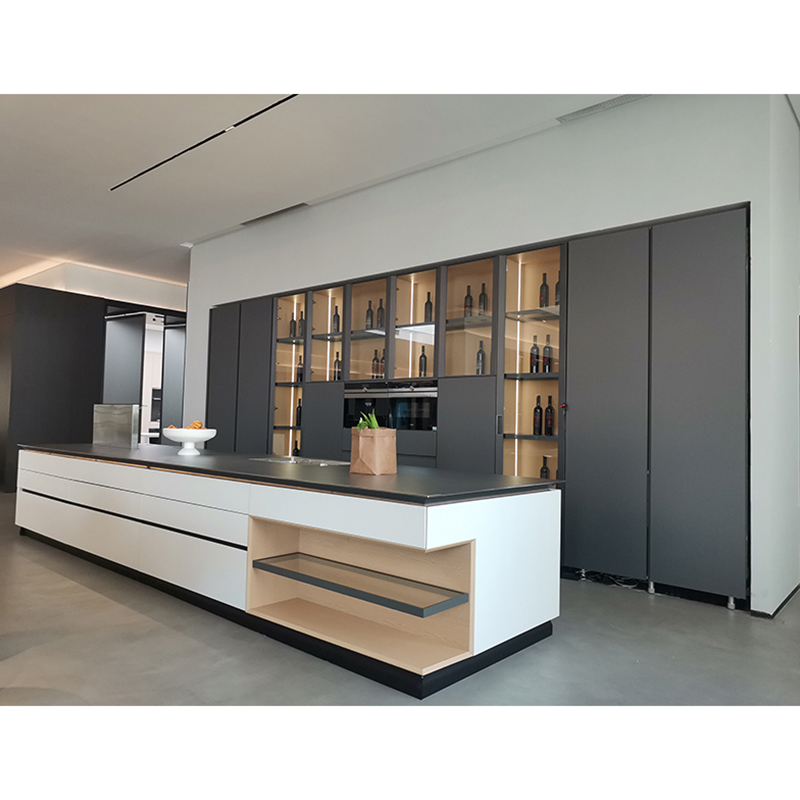
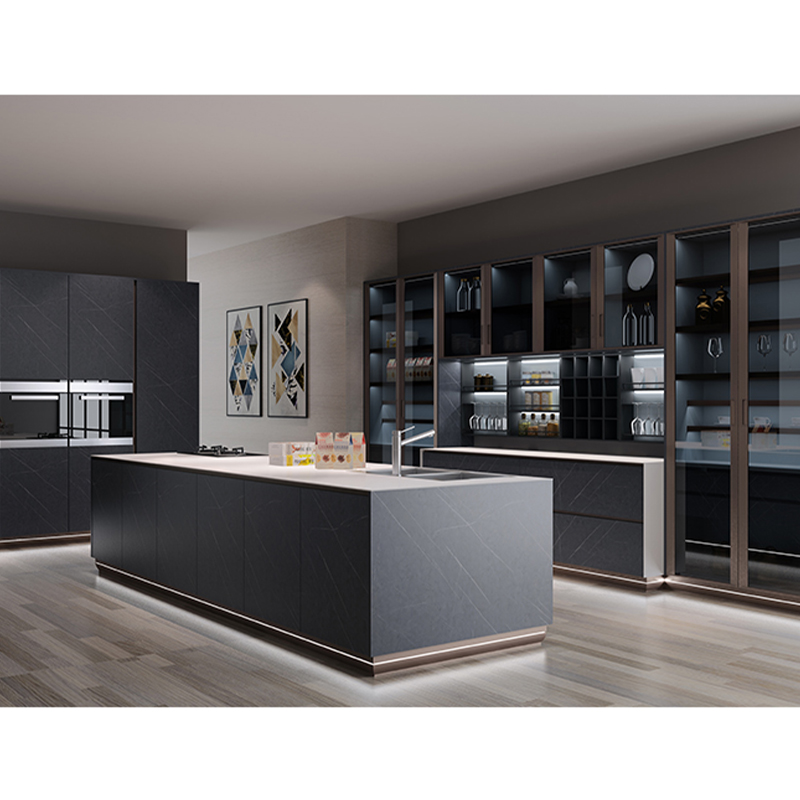
Color matching should follow the principle of "clear hierarchy and smooth transition." The color of the wood should contrast with and complement the metallic color of the aluminum frame and the transparency of the glass. For example, when the aluminum frame is matte black or gunmetal gray, a warm light brown wood can be chosen to highlight the visual focus through the contrast between warm and cool tones; if the aluminum frame is champagne gold or rose gold, then off-white or grayish-brown wood is preferable to create a luxurious feel through a soft transition. In spaces where multiple materials coexist, the wood color can also serve as a "middle color" to harmonize the coldness of metal and the ethereal quality of glass. For example, a wooden storage cabinet can be placed next to an aluminum frame glass partition, with the cabinet color matching the wooden trim on the floor or wall to create color continuity and avoid spatial fragmentation.
The design language must match the function and style theme of the space. In modern minimalist style, wooden elements are often presented in geometric shapes, such as rectangular niches, straight-lined shelves, or floating washbasins, using simple outlines to soften the heaviness of wood. In contrast, Chinese or Japanese styles emphasize the use of curves and natural forms in wooden designs, such as arched door frames, bamboo-inspired handrails, or irregularly cut background walls, conveying a Zen-like feel by mimicking natural forms. For small aluminum-framed glass wooden bathrooms, wooden elements can be integrated into the space through a "divide and conquer" strategy. For example, using wood in small pieces of furniture such as mirror frames, towel racks, or shelves satisfies functional needs while avoiding the oppressive feeling of large areas of wood.
Attention to detail is key to enhancing the design's sophistication. The finishing, splicing, and surface treatment of wooden elements must be aligned with the processing precision of the aluminum frame and glass. For example, the connection between the wood and aluminum frame can use concealed screws or mortise and tenon joints to avoid exposed hardware disrupting the overall aesthetic. Wooden edges should be chamfered or rounded to prevent bumps and enhance a softer feel. The surface coating should be a waterproof wood varnish or wood wax oil, and multiple sanding processes should be used to achieve a matte or semi-matte finish, avoiding reflections that clash with the glass. Furthermore, the direction of the wood grain needs careful planning; vertical grains can visually lengthen the space, horizontal grains can broaden the perceived width, and diagonal grains add a sense of dynamism.
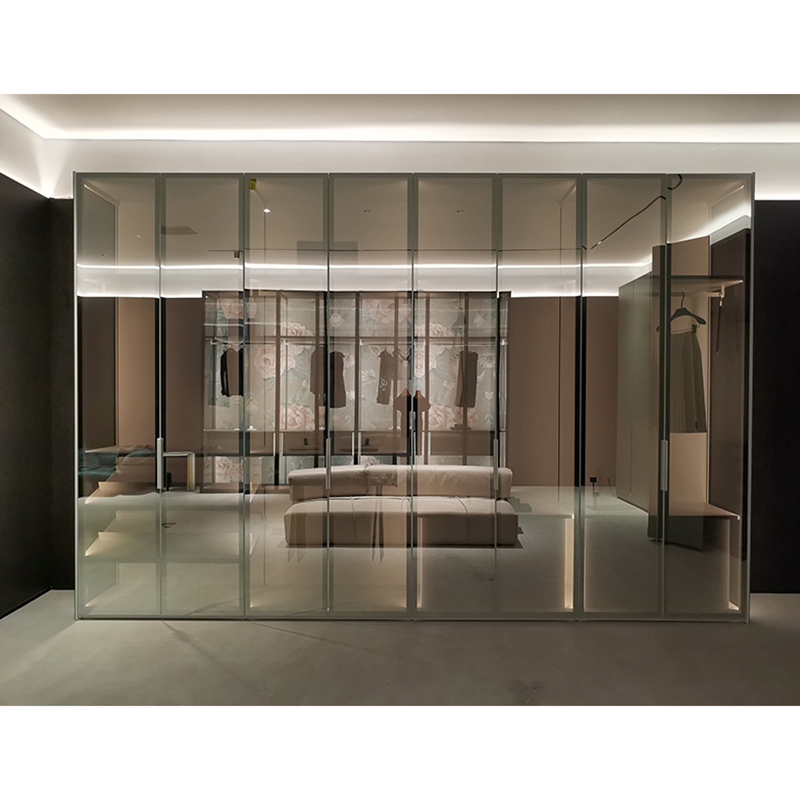
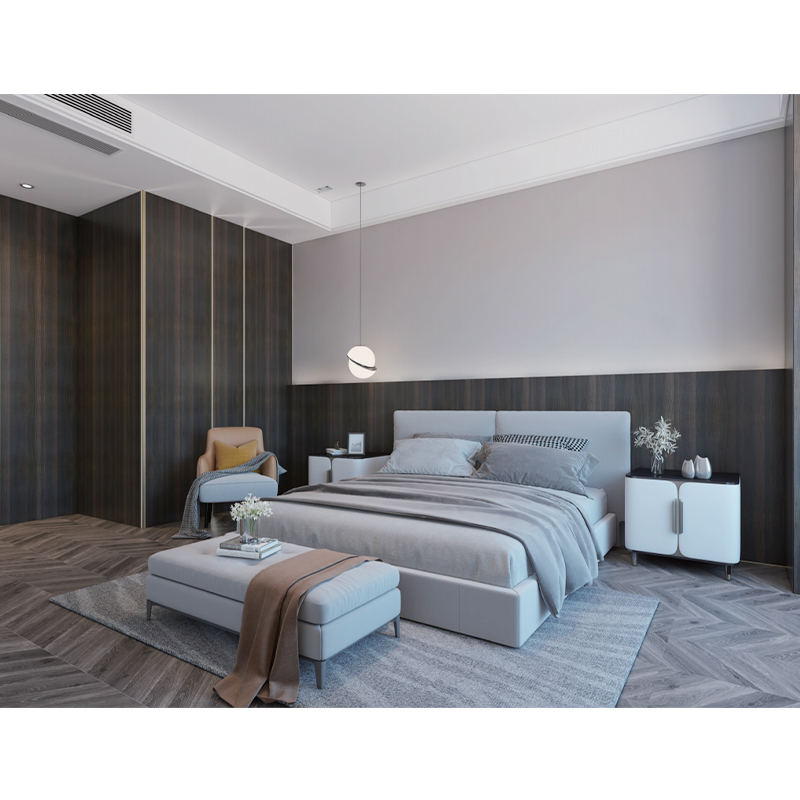
Spatial interaction is achieved through the interplay and echoing of materials. Wooden elements can transcend the limitations of a single functional area, connecting with other spaces through extension or repetition in design. For example, the wooden floor in an aluminum frame glass wooden bathroom can use the same material and color as the wooden floor in the adjacent bedroom, creating visual continuity; the wooden countertop of an aluminum frame glass wooden bathroom cabinet can extend to the windowsill or dressing area, creating a multi-functional work surface; and even wooden elements can be integrated into lighting design, such as wooden lampshades or recessed light strips, using light and shadow to enhance the layering of the material. This cross-regional material harmony transforms the aluminum frame glass wooden bathroom from a standalone functional space into an integral part of the overall home décor.
The integration of cultural symbols can imbue wooden design with deeper meaning. In Chinese style, wooden elements can borrow from the mortise and tenon structure, carved patterns, or symmetrical layouts of traditional furniture to convey Eastern aesthetics; in Scandinavian style, the natural texture and minimalist design of raw wood can echo the "nature first" philosophy; and in industrial style, wood can create a contrast between ruggedness and refinement with exposed pipes and concrete walls, enhancing spatial tension. The use of cultural symbols should avoid rigid stacking, but rather be simplified or abstracted to allow them to naturally integrate into the modern design context.
The design of wooden elements must return to the core principle of "people-oriented." As a frequently used space, the tactile feel, slip resistance, and ease of cleaning of wooden elements directly impact the user experience in the aluminum frame glass wooden bathroom. For example, wooden handrails need to be treated for slip resistance, wooden floors should have slip-resistant textures, and wooden storage cabinets should have ventilation holes to prevent mold growth. Only by seamlessly combining functional needs with aesthetic pursuits can the wood element truly become the soul element of an aluminum frame glass wooden bathroom, possessing both practical value and artistic charm.