


How to balance aesthetics and scratch resistance when using UV marble texture finish on aluminum frame glass door kitchen cabinets?
Release Time : 2026-04-15
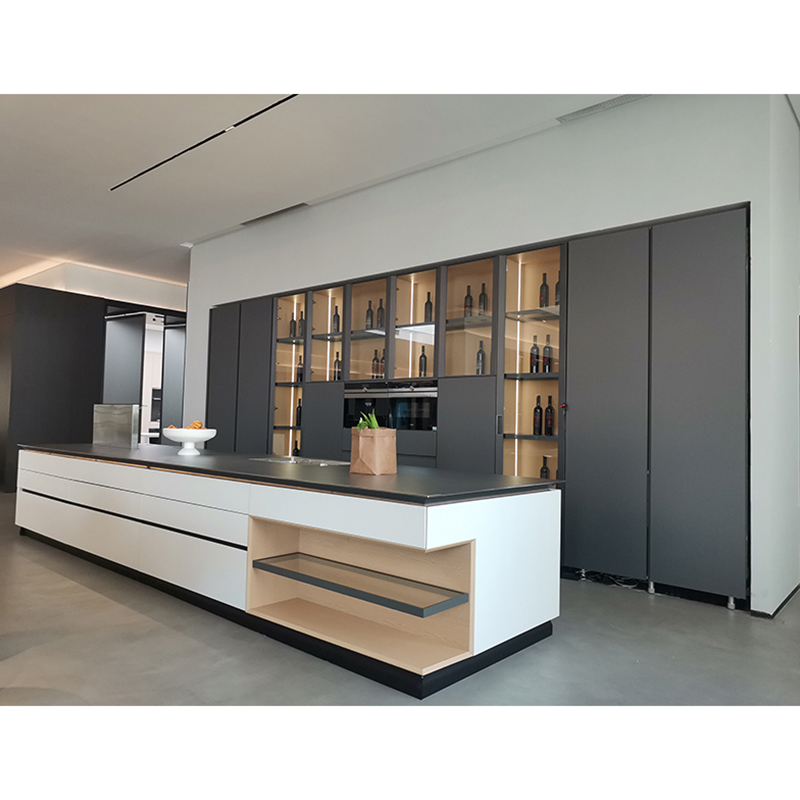
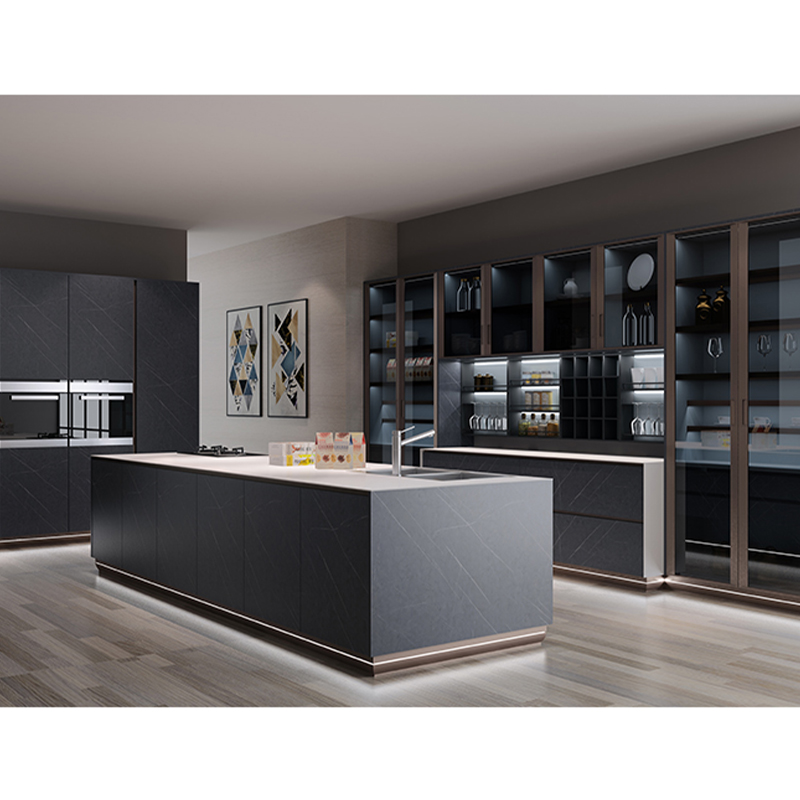
In modern kitchen design, aluminum frame glass door kitchen cabinets are increasingly becoming a mainstream choice due to their transparent texture and lightweight structure. Among them, UV marble texture finish, with its realistic stone effect and high-gloss visual performance, significantly enhances the overall sophistication of the space.
1. Optimize UV Coating Formula to Improve Surface Hardness
The core of UV marble texture finish lies in the performance of the surface coating. By using UV-cured resin with a high cross-linking density and introducing wear-resistant fillers, the coating hardness and scratch resistance can be significantly improved. This modified coating, while maintaining high gloss and texture clarity, can effectively resist scratches and friction from daily use, thus balancing decorative effect and practical performance.
2. Control Surface Processing to Achieve a Balance Between Visual and Tactile Feel
Simply increasing hardness may affect the surface texture, so fine-tuning of the process is necessary. Through multi-layer coating and precision polishing, the surface achieves both a mirror-like visual effect and a delicate tactile feel. Meanwhile, micro-texturing technology can be used to reduce the visibility of minor scratches without affecting the overall appearance, thus maintaining a good look even after long-term use.
3. Strengthening the Substrate Bond to Enhance Overall Durability
The scratch resistance of the finish depends not only on the surface layer but also closely on the stability of the substrate. By selecting high-density boards or high-quality composite substrates and ensuring good adhesion between the UV coating and the substrate, durability can be prevented from being reduced due to substrate deformation or coating peeling. A stable structural foundation helps maintain overall performance over the long term.
4. Optimizing the Aluminum Frame Structure to Reduce External Force Impact
The aluminum alloy frame not only serves a decorative purpose but also plays a crucial role in protecting the edges of the door panel. By rationally designing the thickness and covering method of the aluminum frame, the direct impact of external forces on the finish area can be effectively reduced, lowering the risk of scratches. At the same time, meticulous edge treatment avoids damage to the surface from sharp contact points, improving durability from a structural perspective.
5. Enhancing Adaptability to Daily Use and Maintenance
In the kitchen environment, oil stains and cleaning are frequent, placing higher demands on the finish. By incorporating stain-resistant and easy-to-clean ingredients into the UV coating, stain adhesion can be reduced, thereby decreasing the friction intensity during cleaning. Furthermore, it is recommended to use gentle cleaning tools and neutral detergents for maintenance to avoid surface scratches caused by improper use.
6. Enhancing Overall Durability Through Design
In practical design, wear on high-frequency contact areas can be reduced through reasonable zoning. For example, using a higher wear-resistant finish for frequently used areas, or incorporating localized protective designs such as invisible protective layers, can improve the durability of key areas without compromising overall aesthetics.
In conclusion, when applying UV marble-textured finishes to aluminum frame glass door kitchen cabinets, achieving a balance between aesthetics and scratch resistance requires coordinated optimization across multiple aspects, including material formulation, surface treatment, structural design, and usage and maintenance. Only by striking a balance between visual appeal and functional performance can the dual demands of quality and durability in modern kitchens be met.
1. Optimize UV Coating Formula to Improve Surface Hardness
The core of UV marble texture finish lies in the performance of the surface coating. By using UV-cured resin with a high cross-linking density and introducing wear-resistant fillers, the coating hardness and scratch resistance can be significantly improved. This modified coating, while maintaining high gloss and texture clarity, can effectively resist scratches and friction from daily use, thus balancing decorative effect and practical performance.
2. Control Surface Processing to Achieve a Balance Between Visual and Tactile Feel
Simply increasing hardness may affect the surface texture, so fine-tuning of the process is necessary. Through multi-layer coating and precision polishing, the surface achieves both a mirror-like visual effect and a delicate tactile feel. Meanwhile, micro-texturing technology can be used to reduce the visibility of minor scratches without affecting the overall appearance, thus maintaining a good look even after long-term use.
3. Strengthening the Substrate Bond to Enhance Overall Durability
The scratch resistance of the finish depends not only on the surface layer but also closely on the stability of the substrate. By selecting high-density boards or high-quality composite substrates and ensuring good adhesion between the UV coating and the substrate, durability can be prevented from being reduced due to substrate deformation or coating peeling. A stable structural foundation helps maintain overall performance over the long term.
4. Optimizing the Aluminum Frame Structure to Reduce External Force Impact
The aluminum alloy frame not only serves a decorative purpose but also plays a crucial role in protecting the edges of the door panel. By rationally designing the thickness and covering method of the aluminum frame, the direct impact of external forces on the finish area can be effectively reduced, lowering the risk of scratches. At the same time, meticulous edge treatment avoids damage to the surface from sharp contact points, improving durability from a structural perspective.
5. Enhancing Adaptability to Daily Use and Maintenance
In the kitchen environment, oil stains and cleaning are frequent, placing higher demands on the finish. By incorporating stain-resistant and easy-to-clean ingredients into the UV coating, stain adhesion can be reduced, thereby decreasing the friction intensity during cleaning. Furthermore, it is recommended to use gentle cleaning tools and neutral detergents for maintenance to avoid surface scratches caused by improper use.
6. Enhancing Overall Durability Through Design
In practical design, wear on high-frequency contact areas can be reduced through reasonable zoning. For example, using a higher wear-resistant finish for frequently used areas, or incorporating localized protective designs such as invisible protective layers, can improve the durability of key areas without compromising overall aesthetics.
In conclusion, when applying UV marble-textured finishes to aluminum frame glass door kitchen cabinets, achieving a balance between aesthetics and scratch resistance requires coordinated optimization across multiple aspects, including material formulation, surface treatment, structural design, and usage and maintenance. Only by striking a balance between visual appeal and functional performance can the dual demands of quality and durability in modern kitchens be met.